


Categories
Share
New research, co-authored by Southern Cross University, challenges many common assumptions about screen use in education, finding teachers in NSW schools are using digital technology purposefully and in moderation.
Quick facts
Best Practice in Screen Use for Education research project provides evidence-based insights into how digital technologies are being used to support teaching and learning in contemporary classrooms.
The findings show teachers in NSW schools use digital technology purposefully and in moderation.
However, in high schools there appears to be an extensive amount of non-educational use, highlighting the need for more research and initiatives to help students develop digital self-regulation.
More than 1,000 primary and high school students, 1,600 parents and carers, and 900 teachers across NSW were survey, combined with classroom observations.
The research comes as Education ministers consider a ‘digital detox’ for Australian classrooms, while NSW has announced it will end mandatory bring-your-own-device (BYOD) requirements in public primary schools from 2027.
Drawing on surveys of more than 1,000 primary and high school students, 1,600 parents and carers, and 900 teachers across NSW, combined with classroom observations, the Best Practice in Screen Use for Education research project provides evidence-based insights into how digital technologies are being used to support teaching and learning in contemporary classrooms.
The findings revealed that teachers are using technology purposefully to support learning, creativity, collaboration and critical thinking, while balancing digital activities with face-to-face interaction, discussion and other non-screen learning experiences.
“We live in a digital world, so children need to be ready to use technology effectively as adults in their lives and careers. Our results suggest educational screen use in schools is often moderate and for specific purposes.”
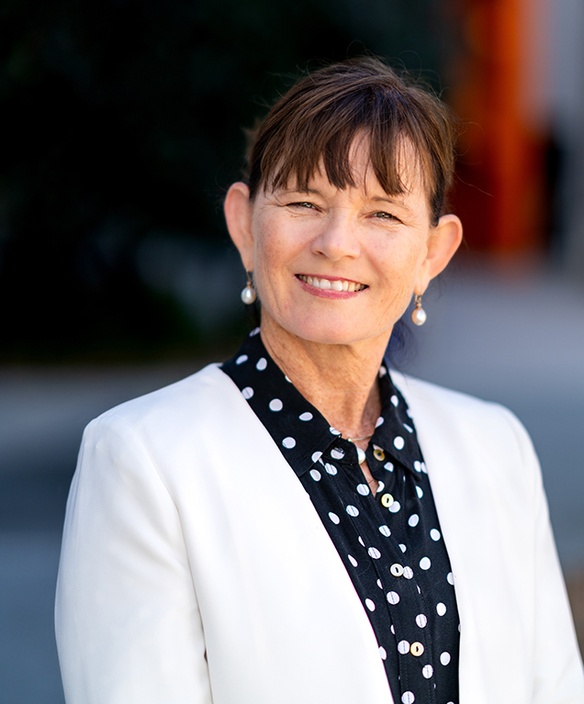
"There is a perception that devices may be hurting learning in schools," said Dr Jubilee Smith, Lecturer in ICT, Digital Literacy and Technologies Education from Southern Cross University’s Faculty of Education who was part of the research team.
“Yet at the same time, we live in a digital world, so children need to be ready to use technology effectively as adults in their lives and careers.
"Our results suggest educational screen use in schools is often moderate and for specific purposes.
"However, there appears to be an extensive amount of non-educational use of screens in high schools. This suggests we need more research and initiatives to help students develop digital self-regulation, and that will require supporting both teachers and parents, as well as students.”
Research findings explained
As teachers and parents seek clearer guidance on the role of devices in schools, a key question remains. How can classrooms reflect an increasingly digital world while also providing opportunities for students to spend time away from screens?
The role of technology in classrooms is explored at two seminars at Southern Cross University's Lismore campus on Wednesday 11 November, where parents, carers, teachers and pre-service teachers are invited to hear research findings from Dr Smith and her colleague Associate Professor Aspa Baroutsis, Associate Dean (Research) in the Faculty of Education.
- Parent and carer seminar: 4pm to 5pm events.humanitix.com/screensineducation-parent-lismore
- Teacher seminar: 5pm to 6pm events.humanitix.com/screensineducation-teacher-lismore
- Online: screensineducation.org/seminars
The research has also informed the development of a best practice toolkit to help parents, students and teachers navigate screen use in the classroom and at home. The toolkit will be shared at the seminars and can be accessed at: screensineducation.org/toolkit/
Local voices, local relevance
Led by Macquarie University, the project partners conducted research across NSW in metropolitan, regional and rural communities between August and November 2025, with Southern Cross University focussing on the Northern Rivers region.
Dr Smith connected with teachers, parents and students from Wardell Primary and Goonellabah Primary to gain insights into screen use and learning locally.
"Although the research was conducted right across the state, the findings have particular relevance for the Northern Rivers," Dr Smith said.
Through interviews and classroom observations the researchers found many schools were moving beyond conversations about screen time to conversations focusing on digital literacy and critical thinking.
A year 6 teacher described teaching students to question algorithms, influencers and sponsored content, helping the younger generation become informed and critical users of technology.
The teacher explained: "We're getting students to ask: Who is the influencer? Who are they being paid by? And what is the algorithm behind this?"
"We're not just teaching students how to use technology, we're teaching them how to create with it, collaborate with others and share their ideas,” said Dr Smith.
“Technology can open up opportunities for creativity, connection and learning that extend well beyond the classroom.
“The Lismore seminars provide a unique opportunity for local parents, carers, teachers and pre-service teachers to hear directly from the research team, explore how the findings relate to local schools and communities, and contribute to conversations about supporting children's learning and wellbeing in an increasingly digital world."
About the research
The Screens in Education project surveyed 1,057 NSW students, 1,686 parents, 166 school leaders, 914 current teachers and 805 future teachers. The team also held 133 focus groups with 426 participants across these groups and observed 68 classrooms. The full report and toolkit resources for parents, teachers, students and school leaders are available at screensineducation.org
The research was funded by the New South Wales Department of Education
Media contact
Sharlene King, Media Office at Southern Cross University +61 429 661 349 or scumedia@scu.edu.au