




Categories
Share
Southern Cross University’s SISTAQUIT program has joined forces with Asthma Australia’s Healthy Lungs for Life initiative, a national effort to improve asthma outcomes for children and young people and reduce their risk of chronic disease later in life.
- SISTAQUIT supports health professionals in providing culturally responsive smoking cessation care for Aboriginal and Torres Strait Islander women during pregnancy.
- Smoking is a major contributor to low birthweight in newborn babies and is associated with chronic diseases like asthma and lung cancer.
- Childhood is the best opportunity to set children up for lifelong health, including growing up in smoke-free environments.
SISTAQUIT is a smoking cessation program developed to support pregnant Aboriginal and Torres Strait Islander women in Australia. A smoke-free home gives children the best opportunity to avoid chronic diseases like asthma.
Asthma Australia has been awarded $11.55 million through the Australian Government’s Chronic Conditions Prevention and Integrated Care Grants Program to deliver the Healthy Lungs for Life initiative. It will establish the National Children’s Asthma Alliance, bringing together Asthma Australia, SISTAQUIT and Southern Cross University, the Australian College of Rural and Remote Medicine (ACRRM), the Australian Primary Health Care Nurses Association (APNA) and the University of Newcastle.
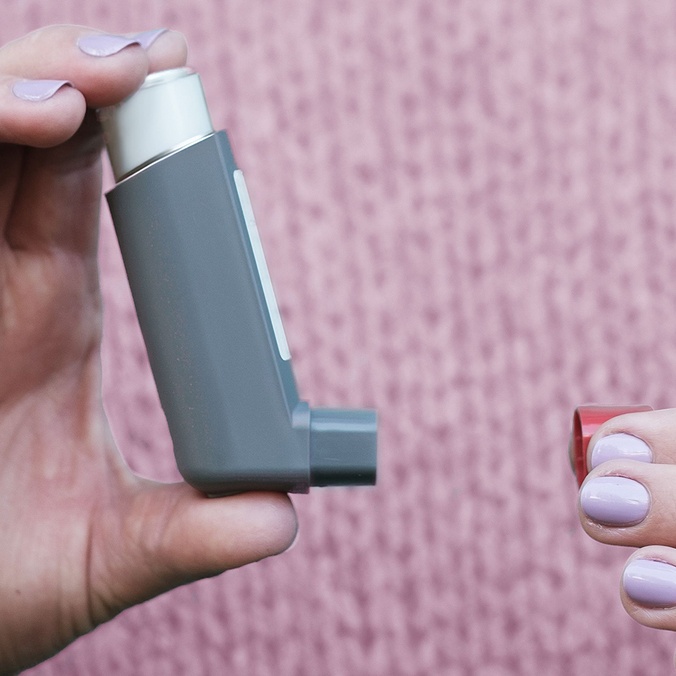
Asthma is the leading cause of disease burden among children under 15. Around 800,000 Australians under 25 live with asthma, and every 13 minutes a child presents to hospital with the condition.
Childhood is the best opportunity to set children up for lifelong health, including growing up in smoke-free environments.
“This partnership will help more Aboriginal and Torres Strait Islander women and their healthcare teams connect with culturally safe, evidence-based support for healthier pregnancies and stronger beginnings for babies.”
A smoke-free start to life
Tobacco smoking and vaping are major health risks for mothers and newborns. Smoking is not only a major contributor to low birthweight in newborn babies but is associated with chronic diseases like asthma and lung cancer.
SISTAQUIT supports health professionals in providing culturally responsive smoking cessation care for Aboriginal and Torres Strait Islander women during pregnancy.
SISTAQUIT will play a major role in the Healthy Lungs for Life work to help children live healthier, more active lives by addressing physical inactivity, obesity, nutrition and tobacco exposure. This includes increasing awareness and uptake of SISTAQUIT’s culturally safe smoking cessation support for Aboriginal and Torres Strait Islander women during pregnancy.
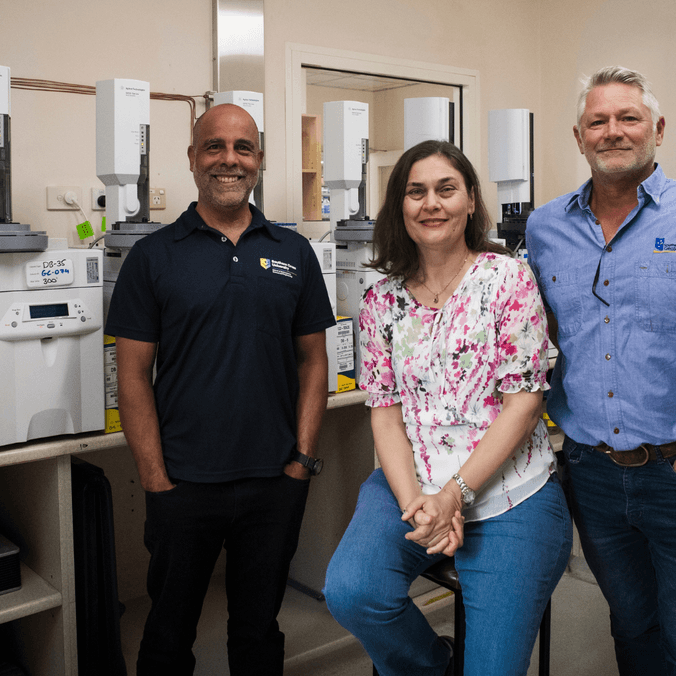
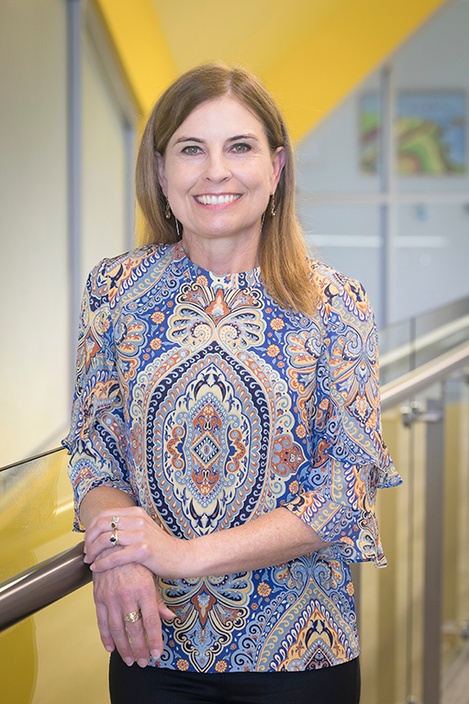
“We are thrilled to be part of Asthma Australia’s Healthy Lungs for Life initiative,” said Dr Nicole Ryan, Senior Research Fellow for SISTAQUIT whose participation in the initiative's National Children's Asthma Alliance will provide expertise for increasing awareness and the implementation of the SISTAQUIT culturally tailored training and cessation resources for health professionals in the antenatal care of pregnant Aboriginal and Torres Strait Islander women.
“This partnership will help more Aboriginal and Torres Strait Islander women and their healthcare teams connect with culturally safe, evidence-based support for healthier pregnancies and stronger beginnings for babies.
“SISTAQUIT aims to increase access to effective quit support, reduce health inequities, help prevent chronic conditions such as asthma especially in children and youth, and give more Aboriginal and Torres Strait Islander babies the best possible start to life.”
Dr Ryan said smoking was one of the most modifiable risk factors for asthma severity and adverse maternal and infant outcomes.
“If you stop smoking in pregnancy or at any time in life for everyone else, all the associated chronic diseases, like lung cancer and asthma, becomes less likely,” said Dr Ryan.
Through the Alliance, SISTAQUIT’s smoking cessation training for health professionals will be promoted across the partners’ networks of GPs, primary care providers and antenatal providers.
“This is particularly valuable for clinicians caring for pregnant Aboriginal and Torres Strait Islander women,” said Dr Ryan.
The SISTAQUIT mobile phone app also gives women information on quitting smoking and vaping, social and emotional wellbeing, as well as the benefits of physical activity and good nutrition.
“Mums can develop healthy lifestyle skills during pregnancy that we hope will continue throughout their lives, making them role models for their children,” said Dr Ryan.
“This gives children the best opportunity to avoid chronic diseases like asthma across their lifetime because they’re active, eating well and growing up in smoke-free homes.”
Investing in children's health
Many hospital presentations for asthma and their impacts can be prevented through better education, earlier intervention and coordinated care.
Minister for Health and Ageing Mark Butler said the Albanese government was strengthening the prevention and management of chronic conditions by investing in practical projects that improve outcomes for Australians affected by these conditions.
“This investment will help children and families access the information, support and coordinated care they need to better manage asthma and build healthier futures,” Mr Butler said.
Asthma Australia CEO Kate Miranda said the funding was an important investment in children’s health and the prevention of chronic disease.
“Through the National Children’s Asthma Alliance, we look forward to reducing the burden of asthma for children and young people, giving parents the knowledge and support they need and helping more children stay well, active and out of hospital,” Ms Miranda said.
“The things that help keep a child’s asthma under control, like being active, eating well and growing up in smoke free environments, are the same things that protect them from heart disease, diabetes and other chronic conditions later in life. Childhood is our best chance to set children up for lifelong health.”
What Healthy Lungs for Life will deliver
The initiative has five connected areas of work:
- Establish the National Children’s Asthma Hub, a nationally accessible source of trusted information, practical tools, care navigation and personalised digital self-management support from pregnancy to young adulthood.
- Help children live healthier, more active lives by addressing physical inactivity, obesity, nutrition and tobacco exposure, including increasing awareness and uptake of SISTAQUIT’s culturally safe maternal smoking cessation support.
- Bring evidence-based asthma care into everyday general practice through a clinical decision support tool integrated into GP software, alongside education for healthcare professionals.
- Improve support at important life stages, including during pregnancy and as young people transition from parent-led asthma care to independently managing their asthma as they move into adulthood.
- Support families facing barriers to care, including those from culturally and linguistically diverse backgrounds and those living in regional and remote Australia, through multilingual resources and targeted outreach.
Healthy Lungs for Life will include a national online hub giving families trusted information and practical support from pregnancy to young adults, and an asthma management tool built into the software GPs already use. It will also give extra support to pregnant women, to teenagers taking over their own asthma care and to families in regional and remote areas and from culturally and linguistically diverse backgrounds.
SISTAQUIT making an impact
Asthma Australia is the latest collaboration for the SISTAQUIT program. The smoking cessation program has been adapted for pregnant women experiencing socioeconomic disadvantage in Germany, with promising early findings, in partnership with researchers at the Leibniz Institute for Prevention Research and Epidemiology (BIPS) to adapt and test the Australian model through routine midwifery services in the German city of Bremen.
Media contact
Sharlene King, Media Office at Southern Cross University +61 429 661 349 or scumedia@scu.edu.au