


Graduate researchers


Are you interested in pursuing postgraduate research in Sustainability, Environment, and the Arts in Education (SEAE)?
The SEAE Research Centre welcomes inquiries from individuals who are highly motivated and appropriately qualified to undertake postgraduate research at either the Masters or Doctoral level.
We welcome discussions on projects of an interdisciplinary nature that centre on the rights and wellbeing of children and young people.
For enquiries please email SEAE Information regarding scholarshipsMeet some of our current HDR students and discover their projects
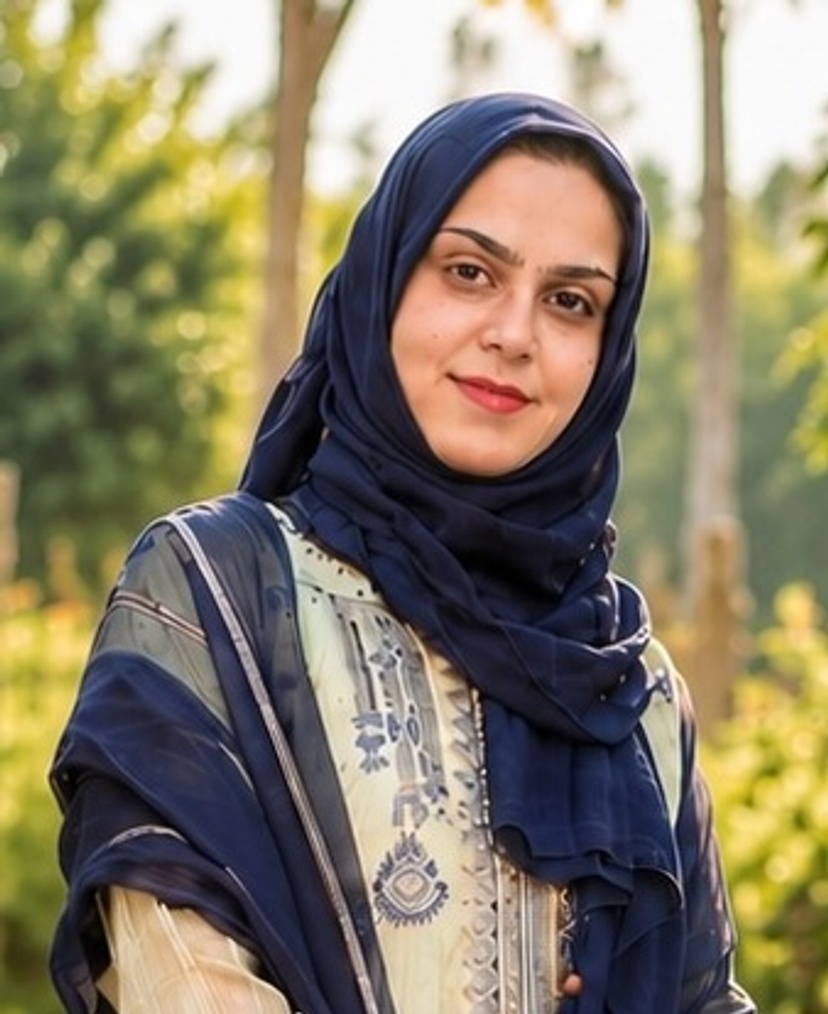
Musfira Maqsood
Supervisors: Dr Tracy Young and Dr Philip Saagyum Dare
Program: Masters by Thesis
Thesis Title: Co-constructing plant relations and scientific knowledge with plants: Early childhood educator leadership in Pakistan
Summary of Thesis: Early childhood education and care (ECEC) is increasingly recognised as a critical site for responding to ecological crises and reconfiguring human-nature relations in the Anthropocene. The aim of this study is to investigate how teacher leadership practices in a Pakistani ECE setting configure young children’s relations with plants as more-than-human co-actors in shared worlds. It brings vegetal ontology posthumanism and selectively adapted post-ethno-botanic inquiry into dialogue with teacher-leadership scholarship and asks how pedagogical agency is redistributed among educators, children, plants, materials, policies, and places. By locating the inquiry in urban Pakistani settings, the study will generate situated knowledge about what becomes possible, and what remains difficult, when relational plant pedagogies are enacted under conditions of environmental precarity and unequal resources.
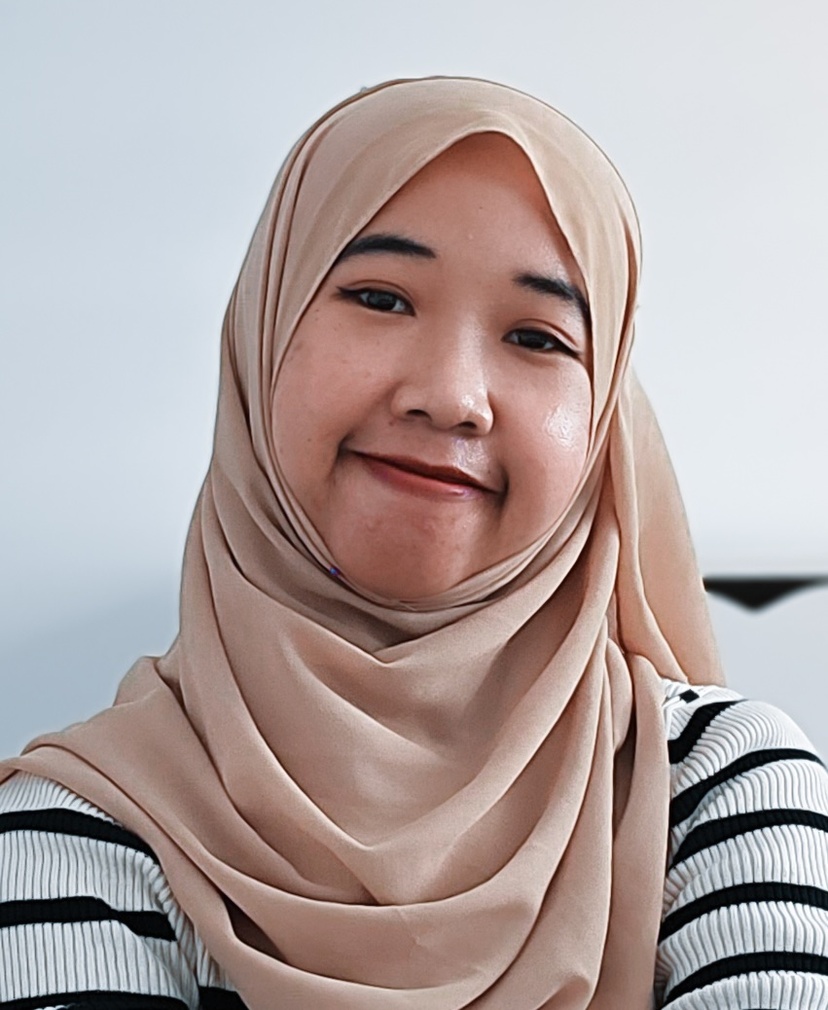
Nimatul Zahro
Supervisors: Professor Amy Cutter-Mackenzie-Knowles and Dr Chantelle Bayes
Program: PhD by Thesis
Thesis Title: Intergenerational Climate Learning: Parental Roles in Child- and Youth-Led Climate Education
Summary of Thesis: As part of the ARC Climate Country project, this study will generate insights into the implications of family-based climate learning for climate education, pedagogy, and community-based sustainability practices, with relevance to supporting the Child-and Youth-Led Policy and Curriculum framework. The research responds to how intergenerational climate learning emerges and becomes within family life through everyday family conversations, encounters, experiences, relationships, and practices. Using post-qualitative inquiry, with Deleuzian concepts of emergence and becoming as an analytical lens, the research attends to how these entanglements produce and transform climate knowledge, values, and agency across generations.
.
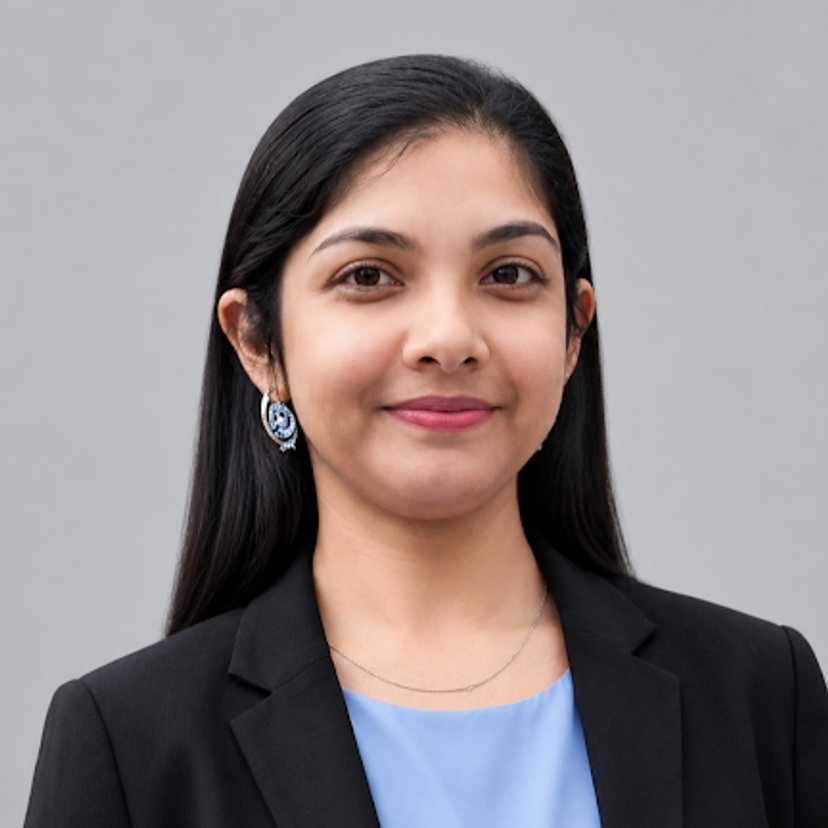
Samanmalee Mukadange
Supervisors: Dr Mandy Hughes and Associate Professor Louise Whitaker
Program: PhD by Thesis
Thesis Title: From ‘Boat People’ to Belonging: Exploring the Identity Reformulation of Sri Lankan Tamil Women from refugee backgrounds living in Australia: A Composite Narrative Analysis
Summary of Thesis: This research explores how Sri Lankan Tamil women from refugee backgrounds reformulate their identities through experiences of war, forced displacement and resettlement in Australia. It examines how belonging, identity and relationships to place are negotiated across changing social, cultural and structural contexts, as women navigate inherited cultural expectations alongside the possibilities and constraints of life in a new society. Drawing on interpretive phenomenology and narrative inquiry, and using a composite narrative approach, the study braids the lived experiences of refugee women to elaborate the complex dynamics through which identities are disrupted, negotiated and reformulated across displacement and resettlement.
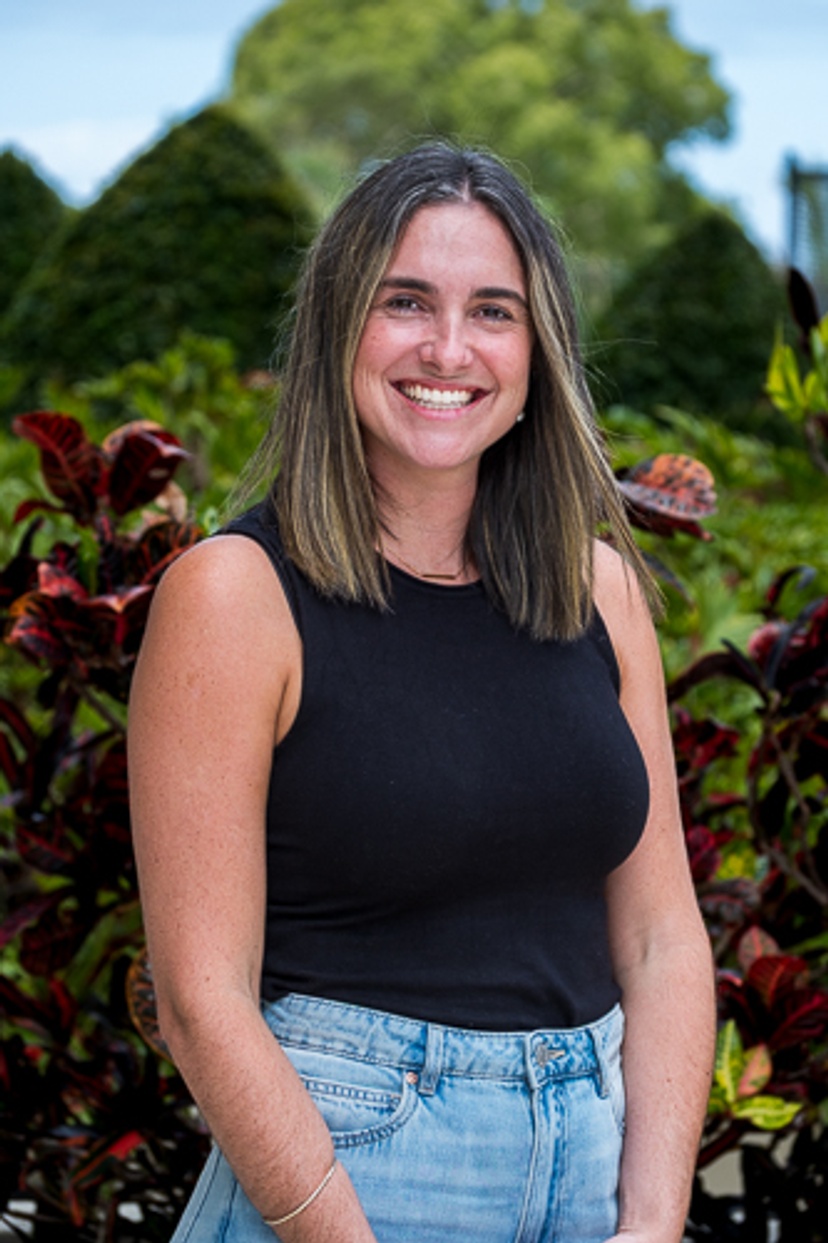
Madi Rybka
Supervisors: Dr Carla Valerio and Dr Katie Hotko
Program: PhD by Thesis
Thesis Title: The Impact of an Aboriginal Education Course on Pre-service Teachers' Confidence in Embedding Aboriginal Perspectives: A Self-Study of Teacher Education Practices
Summary of Thesis: This study explores how the unit EDUC6009 Education and Indigenous Australians: Ways of Knowing and Being might influence preservice teachers' confidence and readiness to embed Aboriginal perspectives in their future teaching practice. Drawing on a Self-Study of Teacher Education Practices (S-STEP) methodology and guided by Indigenous Ways of Knowing, Being and Doing, the research examines both preservice teacher experiences and the reflective practice of an Aboriginal teacher educator. Data will be gathered through yarning circles, an optional anonymous survey and reflective journalling. The study aims to strengthen Aboriginal education in Initial Teacher Education and contribute to culturally responsive teacher preparation.